
[ timbers ]
American Cherry
[ About our timber ]
REFINED GRAIN AND RICH COLOUR BRINGING WARMTH TO TRADITIONAL INTERIORS
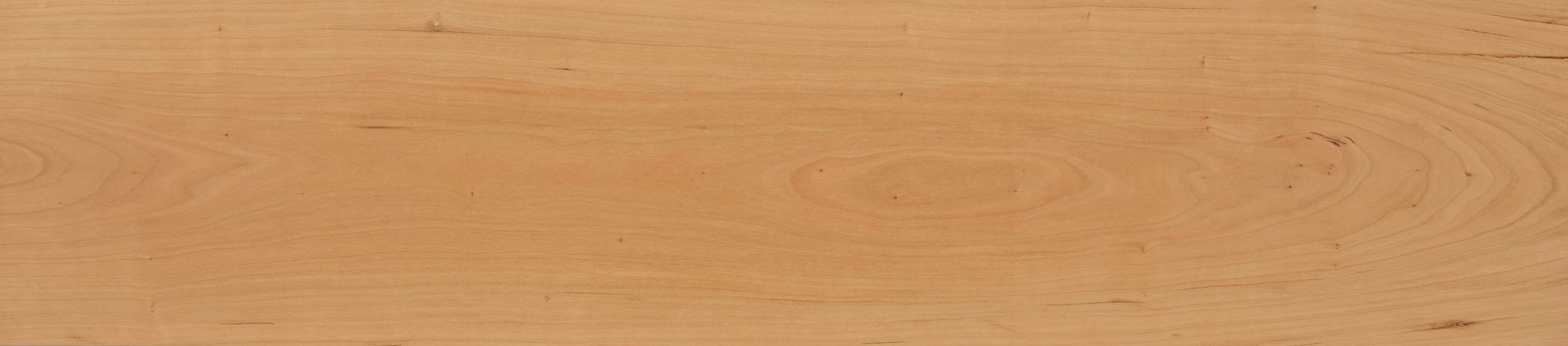
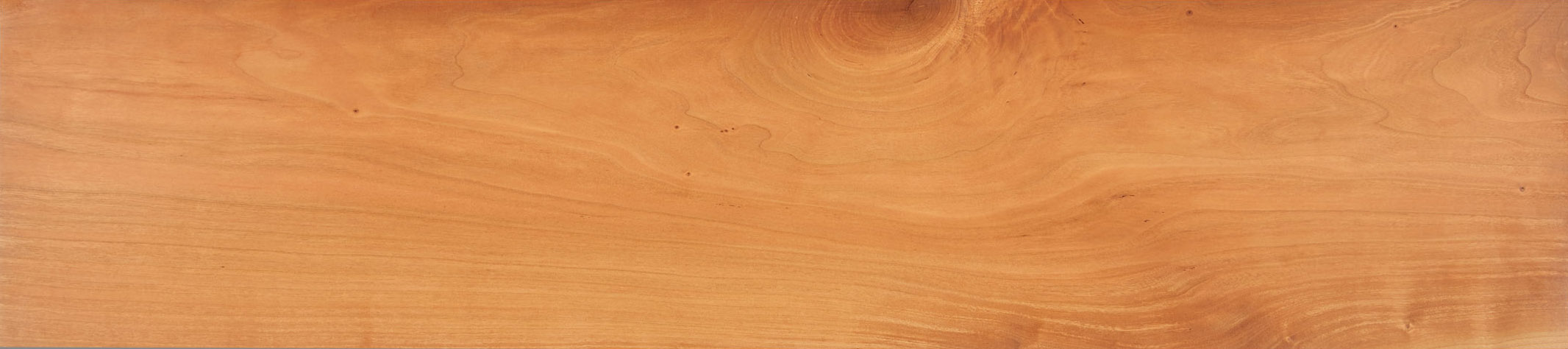
The heartwood of American cherry varies from rich red to reddish brown and will darken with exposure to light. In contrast, the sapwood is creamy white. Cherry may be supplied steamed to darken the sapwood or left un-steamed. The timber has a fine, uniform, straight-grained structure with a smooth texture and may naturally contain brown pith flecks and small gum pockets.

[ Mechanical properties ]
The wood is of medium density with good wood bending properties. It has low stiffness, medium strength and shock resistance.
Botanical name (Latin):
Prunus serotina
Other names:
American Black Cherry
Working Properties:
Cherry is easy to machine. It nails and glues well and when sanded, stained and polished, it produces an excellent smooth finish. It dries fairly quickly with moderately large shrinkage, but is dimensionally stable after kilning.
Durability:
Rated as resistant to heartwood decay and the heartwood is moderately resistant to preservative treatment.
main uses:
Furniture and cabinet making, high- class joinery, kitchen cabinets, mouldings, panelling, flooring, doors, boat interiors, musical instruments, turning and carving. The subtle range of red tones found in the heartwood have made this species very fashionable for many high-end applications.
Other Information:
On exposure to UV light, cherry products with a natural finish will generally darken in colour over time. This premium wood has naturally occurring pin knots and gum streaks which are not considered defects. Sapwood is admitted without limit. Because of this NHLA rule, cherry lumber is often sold with a heartwood specification such as 90/50, which means one face will be 90% heartwood and not less than 50% heartwood on the reverse face.